
An Incredibly Easy Method That Works For All
10 Apr 2021
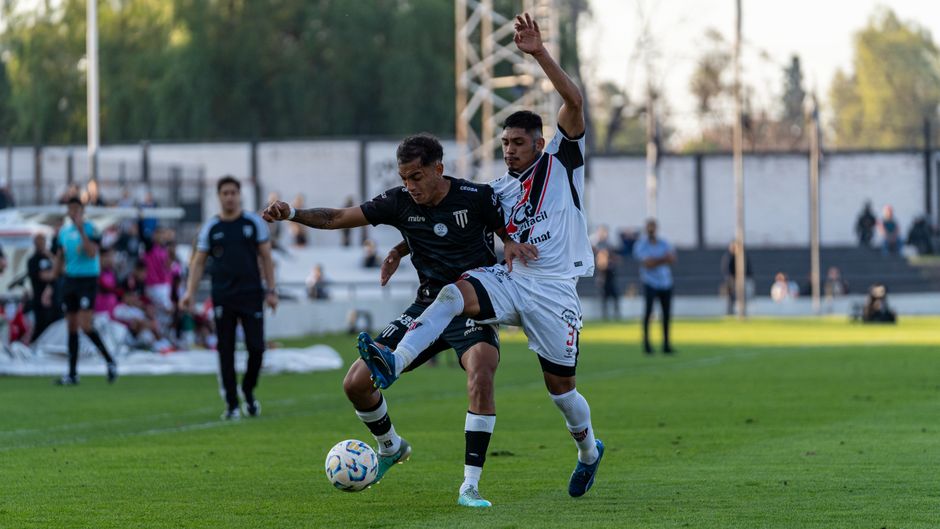
Ninety-four minutes on the clock. A stadium holds its breath. A man who warmed the bench for three weeks, who checked his phone in the training room wondering if he'd even merit a walk-on, is now the calmest person on the pitch. He steps up, or he rises, or he reacts half a second before the goalkeeper does—and a nation forgets its own name for a moment to scream someone else's.
This is the story of the substitute who became a tournament hero. Not a fairy tale. A case study in the strange mechanics of tournament football, where careers are decided by timing, preparation, and the ability to do something only remarkable when summoned. xoilac is a solid starting point for anyone new to this.
Every tournament has one of these, and the details matter. Think back to the 2020 European Championship: Italy's Federico Chiesa wasn't the striking headline before the tournament, but his father had done something similar decades before. Better yet, consider Euro 2016. Portugal's Eder, a striker who had started exactly zero tournament matches, came off the bench in the 79th minute of the final. He scored in the 109th. Portugal, without its injured talisman Cristiano Ronaldo for most of the match, won its first major trophy on a goal from a man whose name had been trending on Twitter mostly for criticism.
Eder is the perfect archetype. Before that final he had played 12 minutes against Iceland, faced criticism for his blunt assessment of Portugal's play, and been described by Portuguese media as a source of frustration. Then one moment. One low, right-footed strike past Hugo Lloris. His career, his legacy, his country's trophy cabinet—all rewritten by a single action in the 109th minute.
Or go back to 1990. England's David Platt, a midfielder with just a handful of caps, came off the bench in the last minute of extra time against Belgium. He pivoted, hit a volley over his shoulder that no coach would have drawn up, and sent England into the quarterfinals. Platt had been packing to go home intellectually; within a month he was a national figure. These players did not suddenly become better footballers. They did something harder: they were ready, and then they were truthful with the ball.
The cliché is that these moments prove the importance of squad depth. True, but there's more under the hood, and it's worth understanding if you've ever coached or captained a team.
The reason these moments feel magical is that we don't see the work. A bench player has a fundamentally different week than his starting teammates. He loses the rhythm of match minutes. He spends ninety minutes each matchday doing warm-up drills he may never use. It's psychologically brutal.
Elite squads handle this with small, deliberate systems. A player is told in advance what window he might enter and what task awaits him, sometimes as specific as: press the left shoulder of their number six, and if the ball goes over your head, stay in it. Better clubs assign this role for the tournament's whole run. The substitute trains with the same scenarios as the starters—set pieces, throw-ins, second balls—so that he isn't asked to invent composure out of nothing when the moment arrives. And those late cameos are not random. Coaches target the 70th minute because distance covered by starting fullbacks drops noticeably after it; defenders defend on awareness as much as legs, and a fresh forward attacks both.
Personal habits fill the rest. A few specific ones in the literature of bench player interviews: maintaining your own fitness program rather than idling behind the team's starting XI sessions with lower intensity; doing short explosive repetitions the day before a match so you don't enter cold when called; watching opponents purely in a defensive half-hour package, not whole matches, because you may only have to understand one situation; and treating the warmup as a staging drill.
There is a soft truth here. Players who embrace the label of a game changer prepare differently. They are not bitter about their status, or they hide it, because bitterness leaks into decision-making. The best bench performers develop a vivid, almost delusional sense of readiness. Before a possible entrance they rehearse their potential action, not their frustration.
This is a real coaching trend too. Premier League clubs now routinely practice chaotic last-fifteen-minute phases because managers know that late decision-making is a skill set less about fitness and more about the brain. A player like Everton's late-game scramblers or Manchester City's designated finishers illustrate it. There is a particular skill in simply staying attached to a game, mentally and physically, exactly over the hour you didn't play.
The unsung role also depends on the moments: a super sub making a difference again in another tournament run, a goalkeeper stepping into a loss, and tournament hero status shaped completely by who was substituted. The secret ingredient in every true bench hero example is this combination of physical sharpness, tactical clarity, and psychological patience.
So if you're a coach, stop treating the bench as decoration; give those players a named role. And if you're a player riding the pine this weekend: pick a battle each matchday, and keep ready.
What makes these stories compelling is not just the night itself, but the aftermath. The bench player has a very different life once the tournament is over; the following season a bench player's club career can go anywhere. Eder's decisive goal won a European Championship but did not make him a bull; he played on in mid-tier leagues and is remembered for that strike.
A squad's defining attribute is not always its best XI, but its twenty-sixth player.
Consider, too, the quiet reality: some strong squads don't even have their tournament hero, because nobody was needed at the decisive moment. The player stayed ready, then went home. Sometimes a player doesn't become a hero; he just confirms players who never get in. In those moments, the value lies not in his substitute role but in his professionalism.
Maybe that's the truest lesson. Football mythologizes the decisive moment, but the decision isn't just to be there for minute 109. There is a reason fans remember an unlikely substitute long after they forget the tactical shape of a final. The number 26. That sense of the impossible. A career can be defined by an action that takes one second.

Cornerfolio We spend our time finding what works so you don't have to, and sharing exactly what made the difference.

April 25, 2019 at 10:46 am
Take in the iconic skyline and visit the neighbourhood hangouts that you've only ever seen on TV. Take in the iconic skyline and visit the neighbourhood.


Want to be notified when we launch a new template or an udpate. Just sign up and we'll send you a notification by email.


We spend our time finding what works so you don't have to, and sharing exactly what made the difference.

Soldman Kell
April 25, 2019 at 10:46 am
Take in the iconic skyline and visit the neighbourhood hangouts that you've only ever seen on TV. Take in the iconic skyline and visit the neighbourhood.