
An Incredibly Easy Method That Works For All
10 Apr 2021
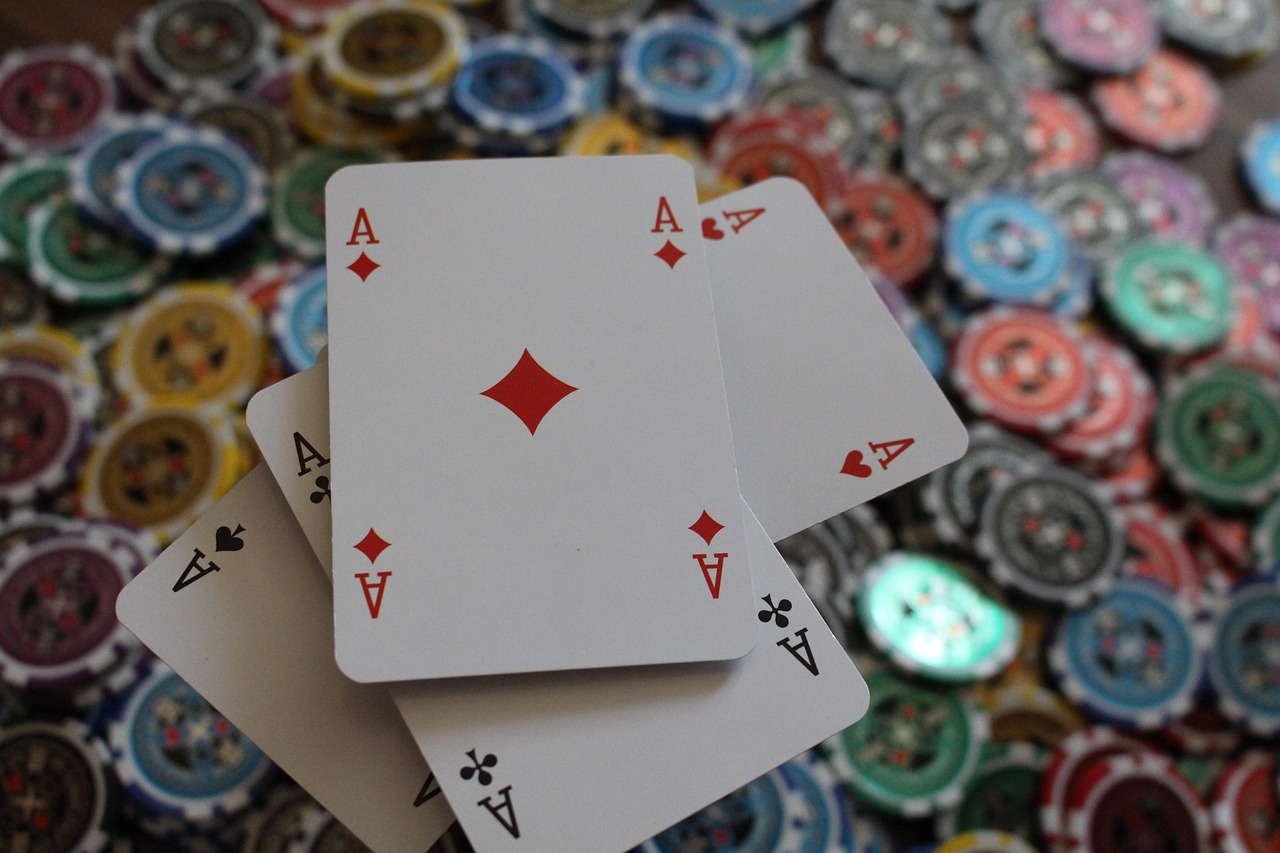
You've seen the flashy ads. You've heard the stories of life-changing jackpots and crushing bad beats. But let's cut through the noise. iGaming is a massive industry, worth hundreds of billions, but most players barely scratch the surface of how it actually works. Whether you're spinning slots at 2 a.m., grinding a poker tournament, or sweating a last-minute parlay, understanding the mechanics changes everything. This isn't about hype or guarantees—it's about knowing the odds, managing your bankroll, and avoiding the traps that separate casual fun from serious regret.
Every game in a casino, online or off, has a built-in mathematical advantage for the house. That's not a conspiracy—it's how they stay in business. But the size of that edge varies wildly. Blackjack with basic strategy? House edge around 0.5%. American roulette? A brutal 5.26%. And slot machines? Anywhere from 2% to 15%, depending on the game and the jurisdiction. Further details are available through สล็อต.
Here's the key: you can't beat the house long-term on pure luck. But you can choose games with lower edges to make your money last longer. Online slots often have a Return to Player (RTP) rate of 96%, meaning for every $100 wagered, the machine pays back $96 over millions of spins. That sounds decent until you realize volatility matters just as much. A high-volatility slot might pay 96% RTP but hit you with long dry spells before a big win. A low-volatility slot pays smaller, more frequent wins. Neither is 'better'—it's about your tolerance for risk and how long you want to play.
Here's the dirty secret casinos don't want you to dwell on: poker is the only game in the house where you play against other players, not the house. The casino just takes a rake (typically 5% up to $3-$5 per pot). Over time, skilled players consistently extract money from weaker ones. That's why professional poker exists while professional roulette doesn't.
But 'skilled' doesn't mean knowing the rules. It means understanding position, pot odds, ranging, and emotional control. A study of online poker databases showed that the top 10% of players win at rates of 5-10 big blinds per 100 hands, while the bottom 50% lose steadily. If you're new, start with micro-stakes—$0.01/$0.02 blinds. The competition is softer than you think, and you'll learn faster when mistakes cost pennies, not paychecks.
Three concrete tips for online poker:
Sports betting has exploded online, especially with legalization spreading across the US and beyond. But here's what the ads never tell you: the margin on a standard point spread is about 4.5% to 5%. That means you need to win 52.4% of your bets just to break even. Most casual bettors hover around 48-50%. Over a season, that gap funds the sportsbook's new lobby renovation.
The biggest leak for bettors is emotion. Betting on your favorite team feels great—but it's a tax on your bankroll. A 2019 study of European bettors found that fans who bet on their own team lost 3-5% more than neutral bettors. Same game, same odds, worse decisions.
What works? Line shopping. Different sportsbooks post slightly different odds. A -110 line at one book might be -105 at another. That 5-cent difference adds up to thousands over a year. Also, avoid parlays unless you're chasing a lottery-style payout. A 4-leg parlay with -110 odds each has a true probability of about 9.8%, but pays 10-to-1. The math is brutal. Single bets are your friend.
Slot machines are the most popular casino game on earth—and the most misunderstood. Every spin is independent. A machine that hasn't paid out in hours is no more likely to hit than one that just paid a jackpot. That 'hot machine' feeling? It's the gambler's fallacy, and it's expensive.
Progressive jackpots change the math. A slot with a $1 million progressive might have a base RTP of 92%, but the jackpot contribution adds value until the jackpot is won. At some point, the effective RTP crosses 100%—theoretically making it a positive expected value bet. But practically, you're competing against thousands of other players, and the jackpot could hit on the next spin. Don't chase it unless you're prepared for a very long, very expensive ride.
One more thing: online slots and land-based slots are different animals. Online slots often have higher RTPs (96% vs. 85-92% on many Vegas floors) because online casinos have lower overhead. If you love slots, play online for better odds—but set a strict loss limit before you start.
You can know every strategy, every odds calculation, every poker tell—and still go broke if you don't manage your money. Bankroll management is the unsexy superpower of long-term winners.
Here's a framework that works for any iGaming activity:
iGaming isn't evil, and it isn't a miracle path to wealth. It's a form of entertainment with a cost—just like a concert ticket or a nice dinner. The people who enjoy it most are the ones who understand the math, set limits, and never bet money they need. The ones who get hurt are the ones who believe in 'due' wins, trust their gut over probabilities, or play to escape stress rather than to have fun.
So next time you open a slot, join a poker table, or place a bet, do it with clear eyes. Know the RTP. Know the edge. Know your limit. And if the fun stops, stop. That's not just responsible gambling advice—it's the smartest strategy in the book.

Cornerfolio We spend our time finding what works so you don't have to, and sharing exactly what made the difference.

April 25, 2019 at 10:46 am
Take in the iconic skyline and visit the neighbourhood hangouts that you've only ever seen on TV. Take in the iconic skyline and visit the neighbourhood.


Want to be notified when we launch a new template or an udpate. Just sign up and we'll send you a notification by email.


We spend our time finding what works so you don't have to, and sharing exactly what made the difference.

Soldman Kell
April 25, 2019 at 10:46 am
Take in the iconic skyline and visit the neighbourhood hangouts that you've only ever seen on TV. Take in the iconic skyline and visit the neighbourhood.