
An Incredibly Easy Method That Works For All
10 Apr 2021
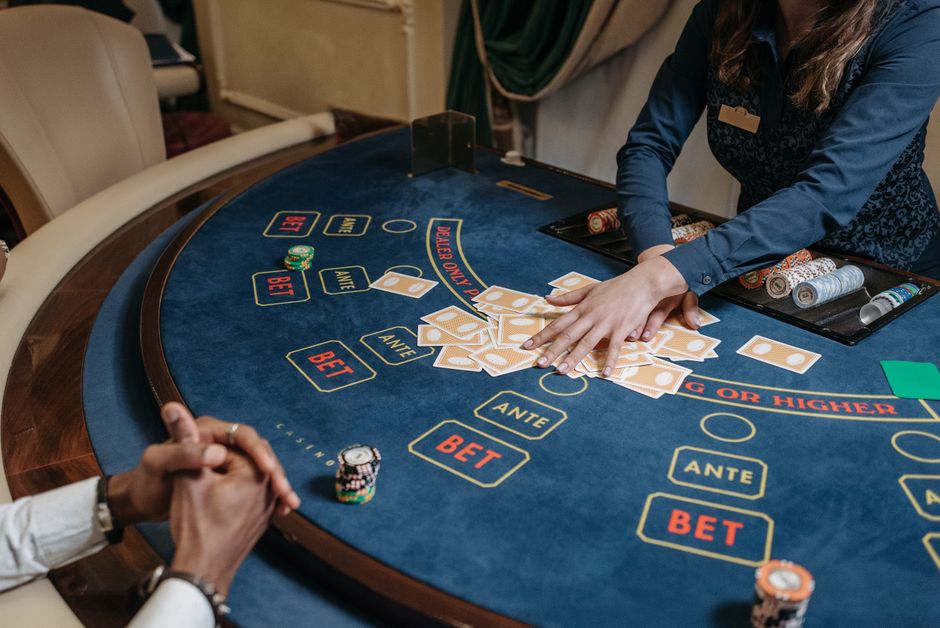
Every gambler remembers the night they tripled their money. Almost nobody remembers the night they lost it back three times over. That gap between a lucky session and a sustainable habit is called bankroll management, and it is the single most underrated skill in iGaming. Books have been written about card counting and slot volatility, yet the vast majority of players still sit down at a table or load a slot with no plan beyond "I'll stop when I'm up." That plan fails roughly as often as it works, because it has no numbers attached to it.
Let's talk about actual strategy, the kind that keeps you in the game long enough to enjoy the wins that do come.
Ask a poker player what separates winners from losers and they will likely mention position, bet sizing, reading opponents. Those matter. But the most consistent winners tend to share something more boring: they never risk money they cannot afford to lose, and they set hard limits before the first hand is dealt. We found สล็อต to be a handy reference here.
Consider the math. A player with a $200 bankroll betting $20 a hand in blackjack can survive roughly ten bad outcomes in a row — and ten-hand losing streaks happen more often than most people think. At a 1% house edge, the game is close to fair, but variance does not check your account balance before striking. Reduce that bet to $5 and you now have forty hands of runway. Same money, dramatically different survival curve.
The same logic scales up. A sports bettor who stakes 10% of their roll on a single parlay is one upset away from wipeout. A bettor staking 2% per wager can lose five straight and still be operational. The strategy is not complicated; the discipline is the hard part.
None of this is glamorous. It is also the difference between a hobby and a slow bleed.
Each vertical has its own quirks, so the framework changes shape depending on what you play.
You can know all of this intellectually and still fail, because the traps are emotional, not informational. Tilt — the state of making decisions driven by frustration rather than strategy — is the biggest bankroll killer in iGaming. It looks like doubling your spin size after a dry spell, moving to a higher-stakes table to "win it back," or adding a fourth leg to a parlay for no reason other than wanting a bigger payout.
Two practical defenses work better than willpower alone. First, take a timed break after any session where you lose more than your planned stop-loss; 24 hours is usually enough to reset. Second, separate your money physically or by account — a dedicated e-wallet or bankroll tab, not the same balance you use for bills. Touching "real" money feels different, and that feeling is useful.
Another trap is boredom. Players who grind the same slot or the same table for hours start making progressively looser decisions. A 45-minute session limit is not a joke; it is a genuine edge.
Every regulated game publishes an RTP — return to player — and these numbers are useful if you interpret them correctly. A 96% RTP does not mean you get 96% back per session; it means the game returns 96% of all wagered money over millions of spins. Short-term results can be wildly above or below that.
The more practical comparison is house edge. Baccarat banker bets sit around 1.06%, blackjack with basic strategy often falls under 1%, European roulette checks in at 2.7%, and American roulette jumps to 5.26% thanks to the double zero. If you enjoy two games roughly equally, the lower house edge stretches your bankroll significantly. Over 500 hands at $10 each, that difference can be hundreds of dollars.
For slots, RTP differences between 94% and 97% look small but compound hard over long sessions. High-volatility titles often sit at the lower end of that range. That is not a reason never to play them — it is a reason to stake less when you do.
Nobody dreams of becoming an expert at walking away from a table. But the players who last — and who actually enjoy the hobby — are the ones who treat gambling like any other entertainment budget: finite, planned, and worth protecting. You are not trying to outsmart the house. You are trying to stay solvent long enough to catch the hot streaks, cash out when it matters, and never wake up regretting a session. That is a skill worth building, and it takes ten minutes to start.

Cornerfolio We spend our time finding what works so you don't have to, and sharing exactly what made the difference.

April 25, 2019 at 10:46 am
Take in the iconic skyline and visit the neighbourhood hangouts that you've only ever seen on TV. Take in the iconic skyline and visit the neighbourhood.


Want to be notified when we launch a new template or an udpate. Just sign up and we'll send you a notification by email.


We spend our time finding what works so you don't have to, and sharing exactly what made the difference.

Soldman Kell
April 25, 2019 at 10:46 am
Take in the iconic skyline and visit the neighbourhood hangouts that you've only ever seen on TV. Take in the iconic skyline and visit the neighbourhood.